

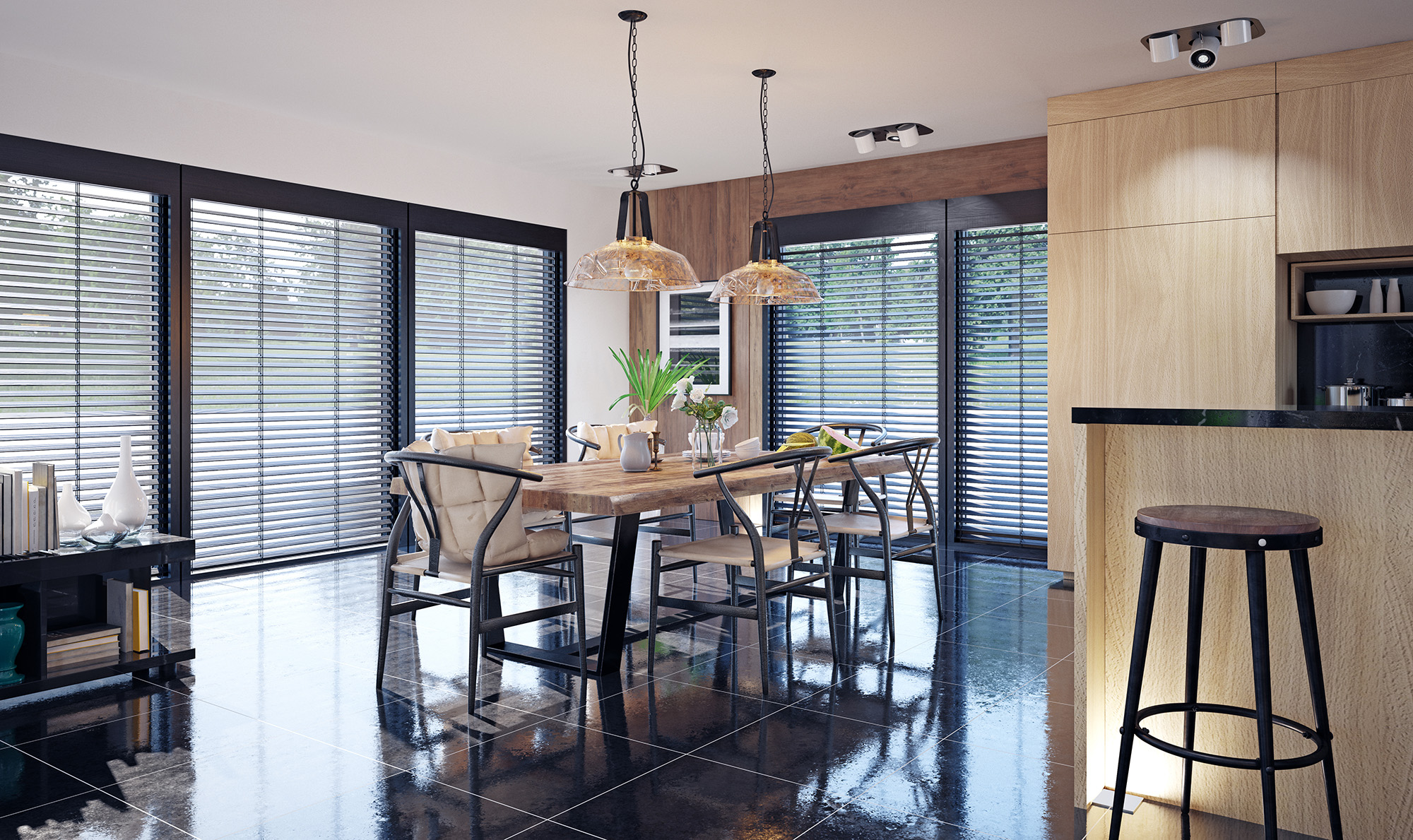
Tile can change the character of a room through color, pattern, texture, and scale. One of the biggest design choices is the size of the tile itself. Large format tiles have become increasingly popular, but standard tile remains a versatile choice for everything from kitchens and bathrooms to entryways and living areas. Understanding how tile size affects appearance, grout lines, installation, and maintenance can help you select tile flooring that works with your space instead of simply following a trend.
Large Format Tiles Create a More Continuous Look
Large format tiles cover more surface area with each individual piece. That means fewer grout lines, which can make a floor appear more open and visually continuous. This effect can be especially useful in larger rooms or contemporary interiors where you want the flooring to have a quieter presence. Large tiles can also showcase stone-inspired veining or other patterns across a broader surface.
However, size needs to be considered alongside the dimensions and layout of the room. Walls and floors are rarely perfectly uninterrupted rectangles, so cuts around cabinets, doorways, corners, and fixtures need to be planned carefully. A skilled installer can determine the most appropriate layout before installation begins.
Standard Tile Offers More Layout Flexibility
Standard tile sizes provide a familiar balance of scale and versatility. Because the individual pieces are smaller, they can accommodate irregular areas and detailed layouts more easily. They also give you more opportunities to use patterns such as running bond, herringbone, or other arrangements.
Grout can become part of the design too, either blending with the tile or creating contrast. For homeowners who want decorative detail, a standard tile can offer plenty of creative flexibility. Smaller formats can also work particularly well when a room's dimensions make large tiles difficult to lay out without excessive cutting.
Consider Grout and Everyday Maintenance
Tile size influences the amount of grout in the finished floor. Large format tiles generally result in fewer grout joints, while standard tile creates a more pronounced grid. Fewer joints can give a floor a cleaner appearance and reduce the amount of grout that needs routine cleaning. However, grout is only one part of maintenance.
The specific tile surface, finish, room conditions, and cleaning recommendations all matter. During tile installation, proper substrate preparation and layout are important regardless of tile size. Large tiles can place particular demands on a flat installation surface because unevenness can become more noticeable across a larger piece.
Match Tile Scale to the Room
A tile that looks impressive in a large showroom may not have the same effect in a smaller room. Consider the room's dimensions, natural light, cabinetry, furniture, and adjacent flooring before choosing a format. Large format tiles can visually reduce the number of breaks across the floor, while standard tile can introduce more rhythm and detail.
Neither approach has to be limited to one decorating style. If you are comparing tile flooring trends 2026, use current designs as a source of ideas rather than a reason to overlook your home's architecture. A flooring choice should still make sense after the trend cycle changes.
Build a Tile Plan Around Your Home
Large format tiles and standard tile each have practical and aesthetic strengths. The right choice depends on the size and layout of your room, the appearance you want, the amount of grout you prefer, and the complexity of the installation. Endicott's Flooring can help you compare tile flooring options and plan a layout suited to your space.
For projects in Greer, SC and the locations represented by Greenville, Taylors, Lyman, Duncan, and Mauldin, SC, contact us today to discuss your ideas and visit our showroom to see tile surfaces and sizes in person. You can also explore Greer, SC when deciding which showroom is most convenient for your flooring project.


